Curated retail is supposed to mean every product on the shelf earned its place — the brand, the formula, the way it performs. That's the pitch, and it's usually sincere. But belief isn't a control system, and most small retail and wellness brands are running their buying on belief alone, without ever actually testing whether the products they're proud of are the ones customers are choosing.
I ran that test on my own retail business this year, going brand by brand through our largest lines and asking one question of every SKU: is this actually earning its place, or is it just here because we liked it when we brought it in?
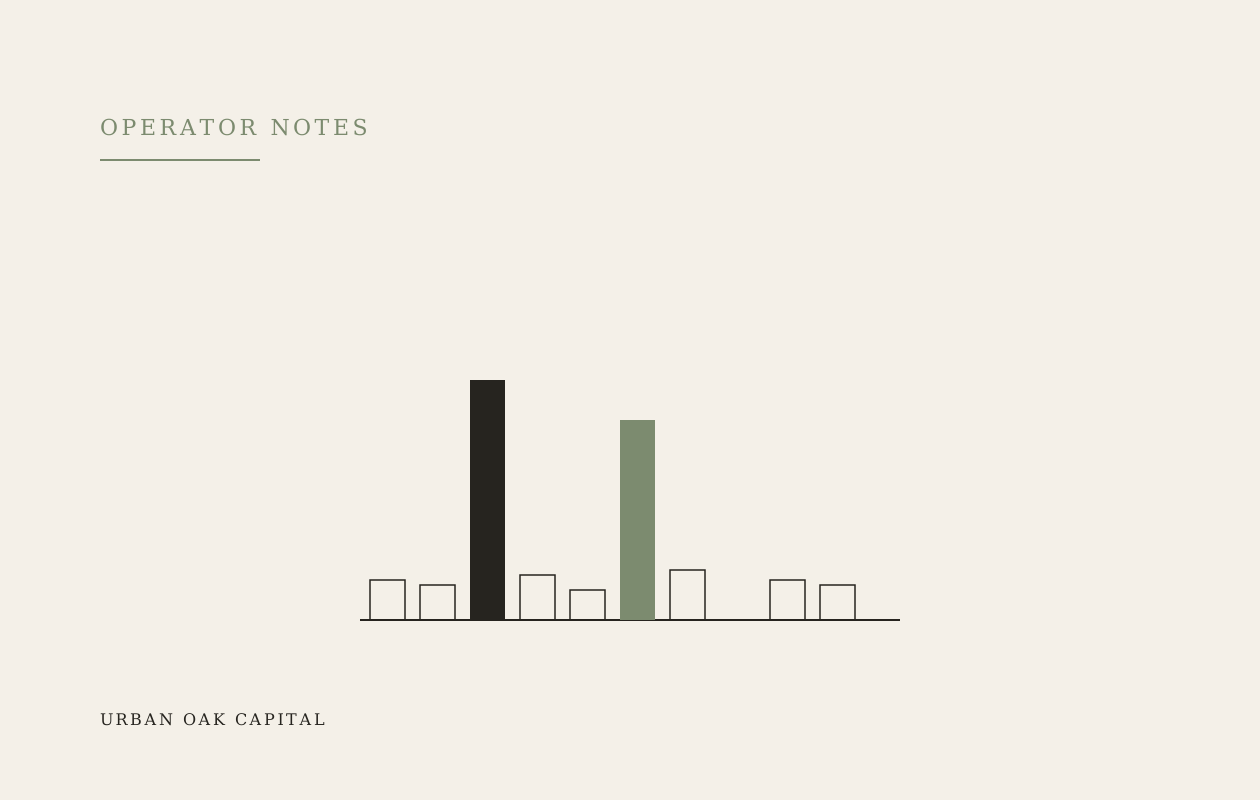
The number surprised me the first time, and then it kept showing up. Roughly 15% of SKUs were doing effectively 100% of the meaningful sales. The other 85% either moved occasionally or barely moved at all — not because they were bad products, but because a shade extension or line overlap meant customers were reliably choosing one option and skipping the rest.
Multiply that pattern across a dozen brands and the number stops being interesting and starts being real: tens of thousands of dollars of capital sitting in inventory that wasn't turning, occupying shelf space that could have gone to something people actually wanted.
For every brand, the review sorts into three buckets. Keep and reorder — the proven performers, with tighter reorder cycles so they're never the thing that's out of stock. Watch — the middle tier, still selling but slowly, not cut yet but not overbought either. Sunset — the tail, marked down, bundled, or moved out deliberately rather than left to quietly tie up capital indefinitely.
Where it's possible, this is also a conversation with the brand itself, not just an internal spreadsheet exercise. The good brand partners want the same read you do.
This isn't really an inventory story. It's a discipline story. Most operators running a curated retail or product business assume their taste is the control — that if they believe in something, it belongs. The data doesn't care what you believe. It only shows you what's actually being chosen, and that gap between the two is usually bigger than anyone running the buying wants to admit.
The other piece worth naming: less overbuying is the more sustainable version of this business too. A product sitting on a shelf for two years before it's discounted or donated represents real materials and real capital that never turned into a sale — that's not just a margin problem, it's waste with a cost attached.
If you're running your own buying and suspect a similar pattern is sitting in your own sell-through data, that's exactly the kind of read I help operators run.
— Sach